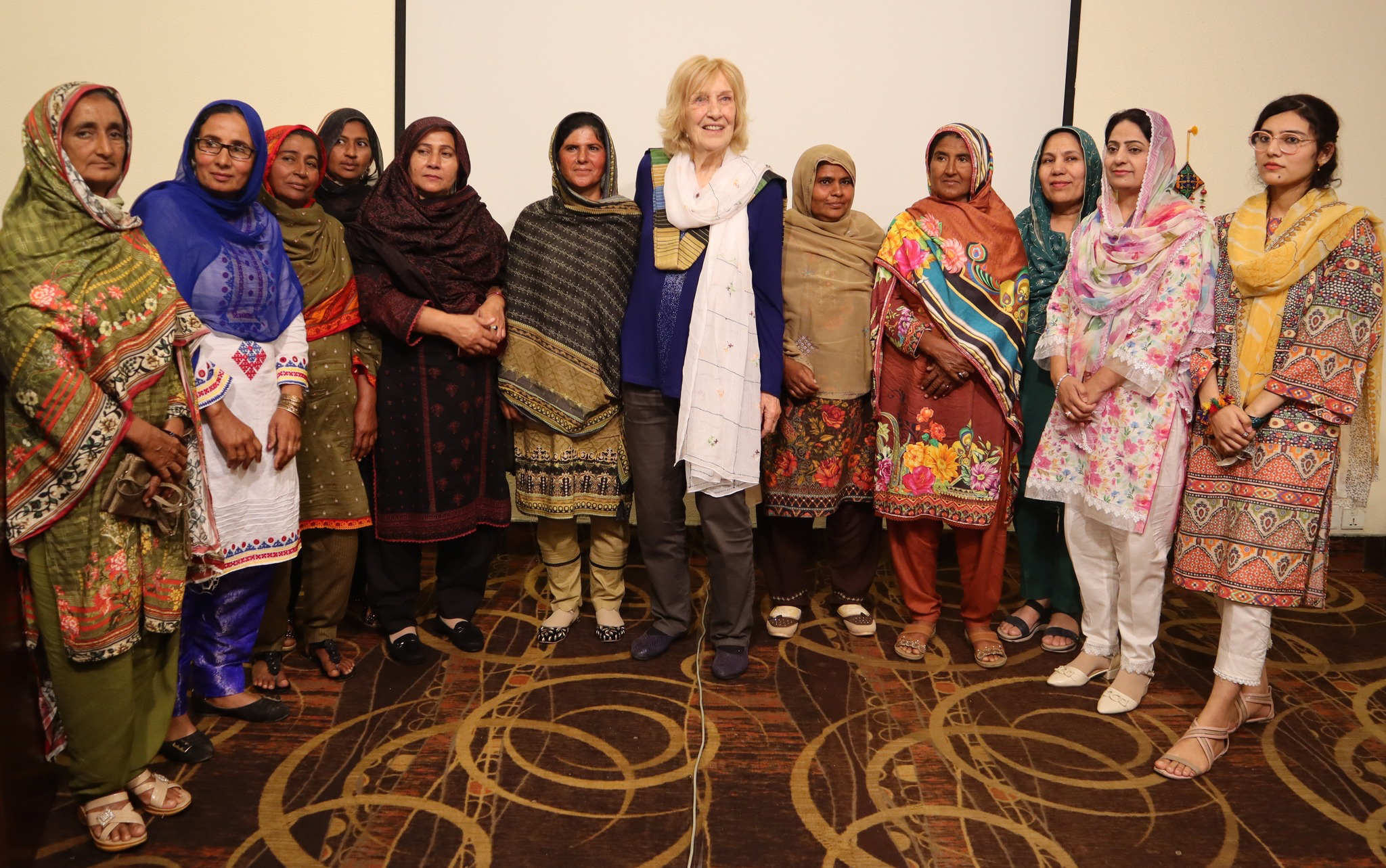
The Technology Transfer and Training Center (TTTC) in Thatta Ghulamka Dhiroka was founded in response to the success of Dr. Senta Siller’s handicraft project for village women. This project focused on creating traditional dolls and handicrafts, significantly empowered the women by providing them with substantial income opportunities. Inspired by this success, the young men of the village approached Dr. Siller, expressing their desire for a similar initiative tailored to their needs.
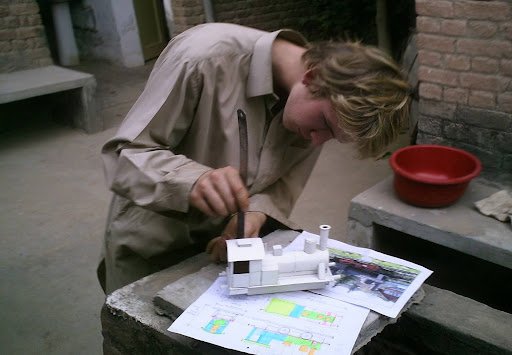
Recognizing this demand, the TTTC, also known as the “Men’s Center,” was established. Dr. Norbert Pintsch, the husband of Dr. Senta Siller, played a crucial role in the center’s inception. A young German volunteer, Tobias Nohl, was among the leading figures who helped TTTC grow during its early stages. As a school teacher in the mid-90s, he visited the village multiple times, providing hands-on training and guidance, which helped the young men develop their craftsmanship to a professional level. Under his guidance, the center aimed to equip the young men with the skills to create miniature models of rickshaws and trucks, reflecting the rich and diverse cultural heritage of Pakistan and showcasing traditional Pakistani truck art.
The initiative was met with enthusiasm as it offered the village men a viable alternative to seeking employment in big cities, allowing them to contribute to their local economy while preserving traditional crafts. Over the years, the TTTC became a vital part of the community, offering new opportunities for the village’s male population. This center has now become an integral part of the village’s economic and cultural fabric, complementing the ongoing success of the women’s handicraft project. TTTC’s activities encompass education, health, and economic development, supporting a basic health unit, promoting literacy and vocational training, and fostering income-generating activities.
The products created by the artisans are sold both locally and internationally, with part of the revenue reinvested into community development projects, such as improving village schools and providing healthcare services. Today, Tobias Nohl is a professor contributing to academia, but his work in Thatta Ghulamka remains a significant chapter in his career and in the village’s history. He and many other volunteers provided training in appropriate technology and promoted sustainable practices. They helped to strengthen the project by experimenting with wind and solar energy, and making simple solar cookers. Their commitment to the village and the TTTC initiative is a testament to the international cooperation and cultural exchange that has shaped Thatta Ghulamka Dhiroka into a unique model of community development.