Our Clean Water Facility
The Pump House (PU), an integral part of the water project initiated by Anjuman-e-Falah-e-Aama (AFA) in Thatta Ghulamka Dhiroka, is a vital facility that has transformed the village by providing access to clean drinking water. This facility plays a crucial role in ensuring the health and well-being of the village’s residents, protecting them from waterborne diseases such as Hepatitis B and C, cholera, and diarrhea.
Structure and Design:
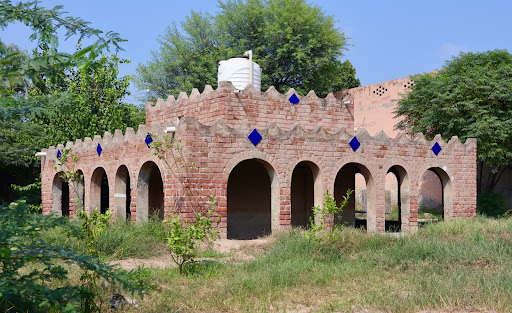
The Pump House is located on a plot of land measuring approximately one and a half kanal (approximately 3,000 square feet). The building is enclosed by a solid brick wall with a small gate for access. The center of the facility features a room, surrounded on all sides by a small veranda. This design ensures easy movement around the building and provides a comfortable working environment for those maintaining the facility.
Water Storage and Filtration System:
The Pump House includes three large water reservoirs (huj) located on the east, south, and west sides of the building. Each reservoir is six feet deep and eight feet wide, allowing for the collection and filtration of water. The water is drawn from a depth of 406 feet underground, ensuring that it is clean and free from contaminants. The filtration process at the Pump House ensures that the water supplied to the village is safe for drinking and daily use.
Solar Power and Sustainability:
The Pump House is equipped with a solar-powered system to operate the water pumps, making it an environmentally sustainable facility. This system allows the Pump House to function even during power outages, ensuring that the village’s water supply remains uninterrupted. The use of solar power also reduces the dependency on external electricity sources, contributing to the project’s long-term sustainability.
Kitchen Garden and Green Spaces:
In addition to its primary function as a water supply facility, the Pump House also features a kitchen garden and several green spaces. These spaces are home to a variety of plants, including moringa trees, which have grown up to three meters tall. There are also more than three dozen pomegranate trees, which are beginning to bear fruit, as well as jamun (black plum) and guava trees.
Other plants include roses, jasmine (chameli), and a variety of vines and shade-providing trees. These greenery not only enhances the aesthetic value of the Pump House but also contributes to the overall environmental health of the area. The garden provides fresh produce and contributes to the overall greening of the village, while offering shade and a pleasant atmosphere for the workers and community members.
Community and Health Benefits:
The Pump House ensures that the people of Thatta Ghulamka Dhiroka have access to clean and safe drinking water drawn from the 406-foot deep well. This has proven essential in protecting the villagers from dangerous waterborne diseases such as Hepatitis B and C, which were previously common due to the use of contaminated water sources. The reliable and safe water supply has significantly improved the health and hygiene of the community, making it one of the most successful and impactful projects in the region.
By offering continuous access to clean water, the Pump House has become a symbol of hope for the villagers, contributing to their health, well-being, and economic sustainability. The facility is maintained with the help of the local community, who take pride in the project and ensure its ongoing success.
Conclusion:
The Pump House is more than just a water supply facility; it is a symbol of progress, sustainability, and community empowerment in Thatta Ghulamka Dhiroka. Through the combined efforts of Anjuman-e-Falah-e-Aama (AFA), Dr. Senta Siller, and the local volunteers, this project has provided the village with clean, safe drinking water, preventing numerous health issues and improving the overall quality of life for its residents.
With its green spaces, sustainable energy systems, and focus on health and hygiene, the Pump House stands as a model of how a well-designed infrastructure project can create lasting positive change for a community. The ongoing commitment to maintaining and expanding this facility ensures that future generations of Thatta Ghulamka Dhirokawill continue to benefit from its invaluable services.