(The Doll Village of Pakistan)
Location and Geography
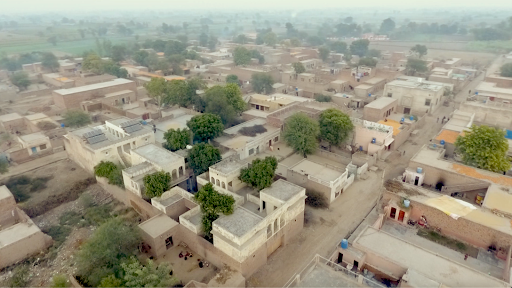
Thatta Ghulamka Dhiroka (Urdu: ٹھٹہ غلام کا دِھیرو کا), often referred to as “Toy Village of Pakistan,” is a unique village located in the Okara District of Punjab, Pakistan. Situated about 27 kilometers from Okara city, the village has gained international recognition for its distinctive handmade dolls and traditional toys that reflect Pakistani culture and heritage. The village is approximately 91 kilometers from Faisalabad International Airport, 190 kilometers from Lahore, and 400 kilometers from the capital Islamabad.
Cultural Significance: The Doll Village
Thatta Ghulamka Dhiroka has earned the nicknames “Doll Village”, “The Village of Dolls” or “Toy Village of Pakistan” (Urdu: گڑیوں کا گاؤں) due to its unique and vibrant handicrafts project. The village is renowned for producing handmade traditional Punjabi and Pakistani dolls and other toys that reflect the rich cultural heritage of Pakistan. These meticulously crafted items are not only popular within the country but are also exported worldwide, bringing international recognition to this otherwise modest village and attracting dozens of foreign volunteers over the years.
Origins of Thatta Kedona
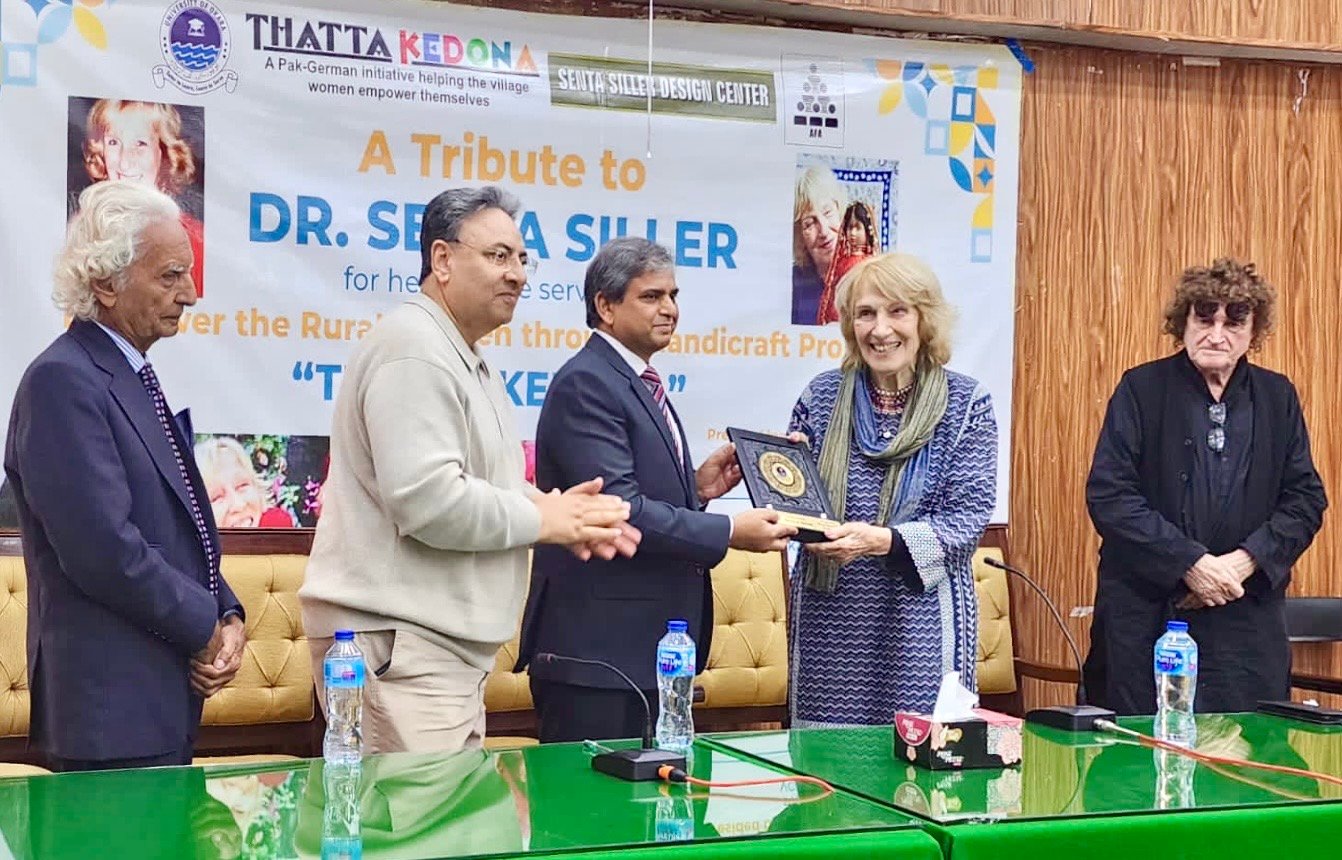
The transformation of Thatta Ghulamka Dhiroka into a hub of cultural craftsmanship is largely credited to the efforts of German artist and designer Dr. Senta Maria Anna Siller. In the early 1990s, Siller visited Pakistan with her husband at the invitation of their student, Amjad Ali. During this visit, they encountered a handmade doll created by a local woman. Inspired by the artistry and the potential for empowering the local community, Siller made it her mission to support the women of the village by fostering their skills in handicrafts.
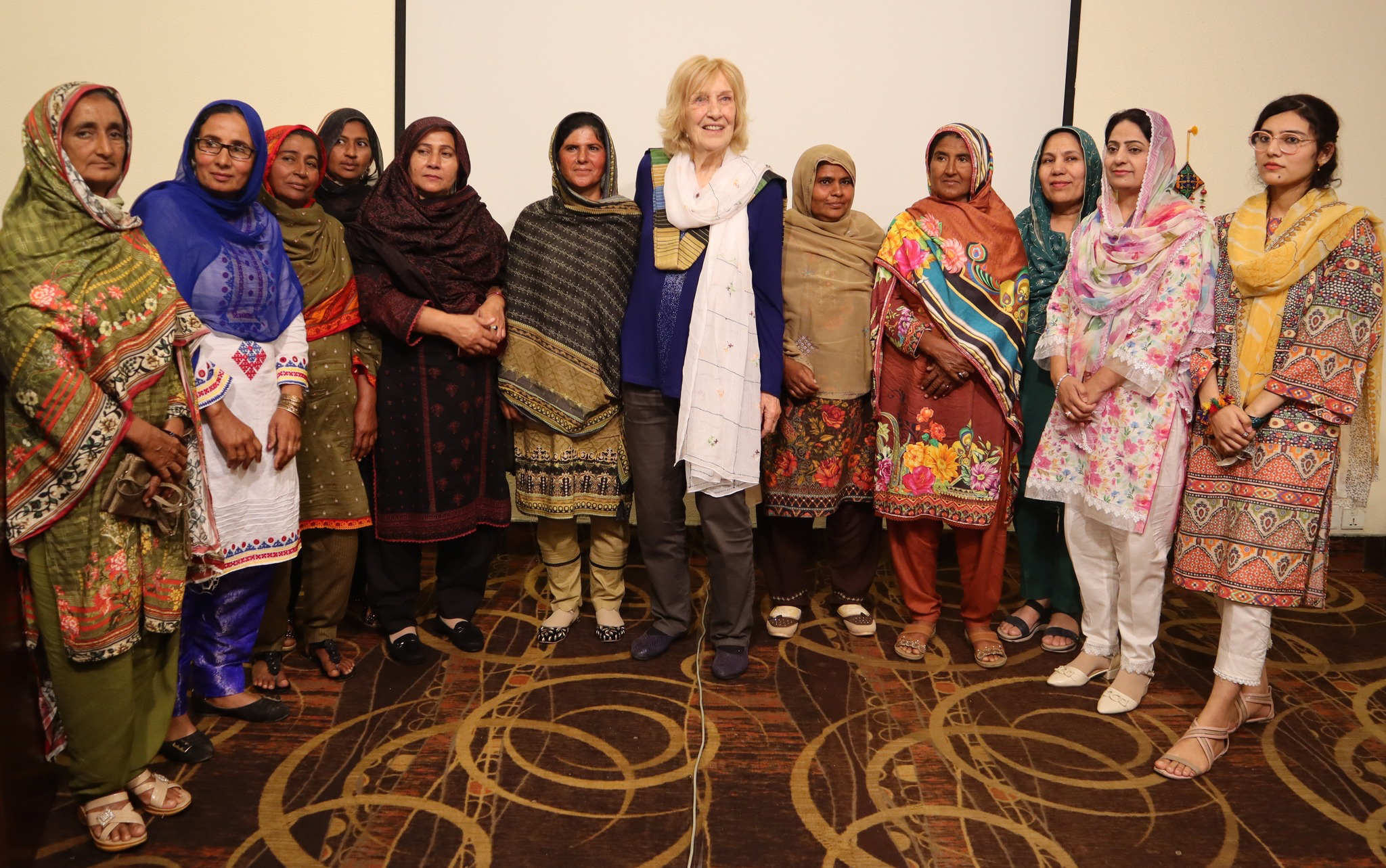
Senta Siller committed herself to this cause, spending almost five years in the village and teaching the village women advanced skills in embroidery and doll-making. Under Dr. Siller’s guidance, the women began creating beautiful dolls dressed in traditional attire from various regions of Pakistan, as well as other crafts. Dr. Siller played a pivotal role in establishing the “Thatta Kedona” project in 1993, which has since become a beacon of social entrepreneurship, empowering local women by providing them with a sustainable source of income through their craftsmanship.
Social and Economic Impact
The Thatta Kedona project has had a profound impact on the socio-economic landscape of Thatta Ghulamka Dhiroka. It has provided the women of the village with the opportunity to contribute financially to their households while preserving and promoting traditional crafts. Over the years, the village has developed into a model of self-sustainability. The project has had a significant impact on the local community, contributing to the development of village schools, healthcare facilities, and other infrastructure such as a Pump House, offering clean drinking water.
This village project has also attracted tourists, cultural enthusiasts, students and international attention, further solidifying the village’s reputation as a center of cultural heritage.
Recognition and Legacy
Thatta Ghulamka Dhiroka is perhaps one of the few villages in Pakistan that has garnered such a level of international recognition. The village’s achievements and its contributions to cultural preservation have been documented in various publications and are highlighted by a dedicated Wikipedia page, reflecting its unique status as a symbol of cultural pride in Pakistan.
Today, Thatta Ghulamka Dhiroka continues to inspire visitors with its vibrant cultural expressions, thanks in large part to the enduring legacy of Senta Siller and the community’s dedication to preserving their artistic traditions.